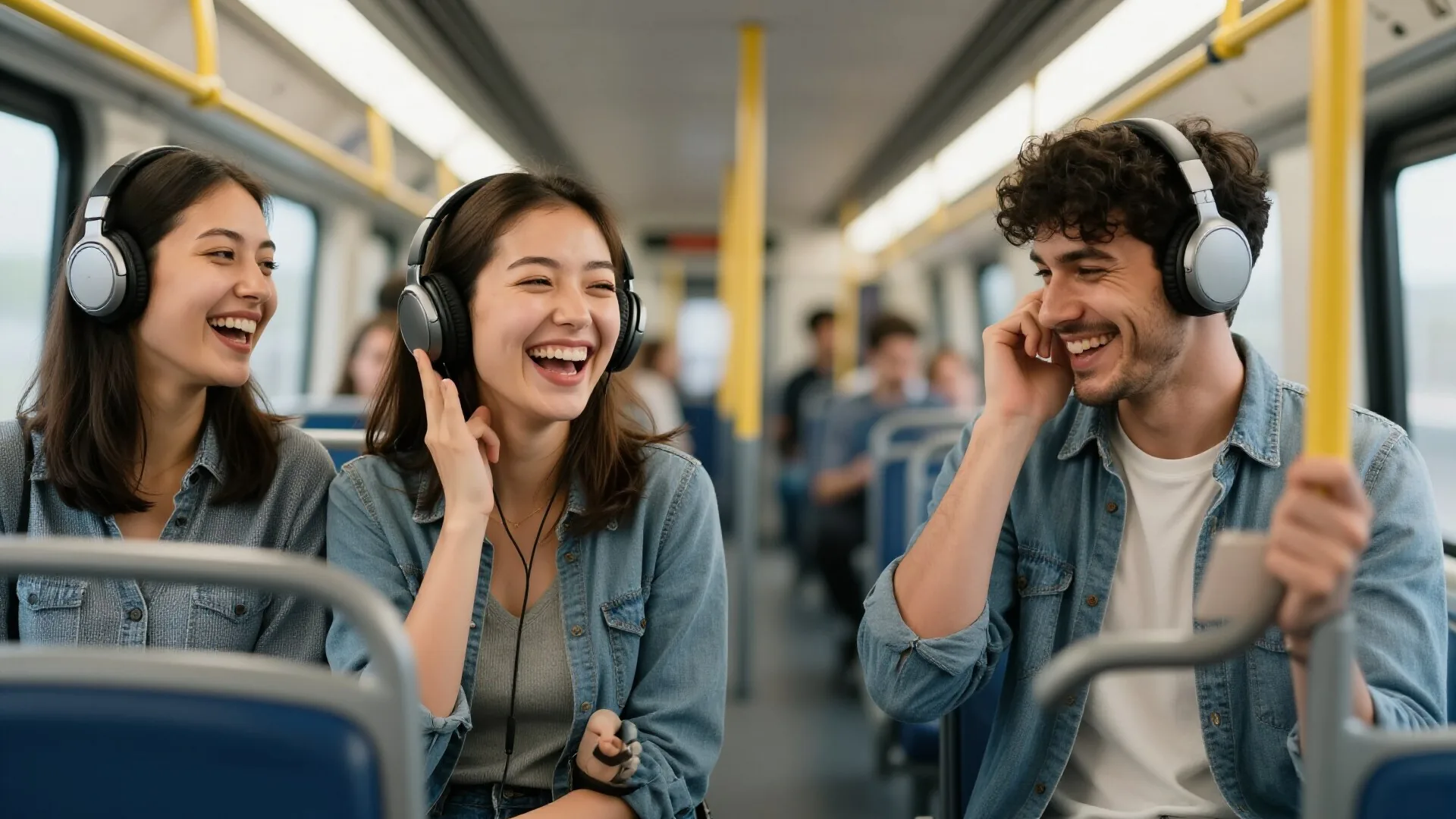
It's a strange paradox of adult life: the older we get, the harder it becomes to make close friends, even though we're more socially capable than ever. Making friends as an adult means outgrowing school corridors, university halls and shared houses, the environments that once threw us together by default. Understanding why this happens is the first step to fixing it.
The biggest shift is structural. As children and students, we spend hours a day around the same people without having to try, and friendship forms almost by accident through sheer repeated exposure. Adult life removes that scaffolding. Work, family and moving house scatter the people we'd naturally have grown close to, and nothing automatically replaces them.
There's also less tolerance for the awkward, tentative early stages of a friendship. As adults we're busier, warier, and less willing to invest time in someone before we know whether it's worth it. That caution is sensible, but it also means fewer friendships ever get the chance to form in the first place.
The fix isn't about trying harder at small talk, it's about putting yourself back in rooms, real or virtual, where the same people show up again and again around something you already care about. Shared-interest communities recreate the repeated exposure that made friendships easy when we were younger, whether that's a weekly running club, a book group, or an online community for people obsessed with the same niche hobby.
Consistency matters more than intensity. A short, regular meetup, the same walking group every Saturday, the same quiz night every month, builds familiarity far faster than one big one-off event. Familiarity is what turns "someone I recognise" into "someone I'd text."
It also helps to lower the stakes of that first move. Joining a group built around a shared interest gives you an instant, low-pressure reason to talk to someone. You already have something in common before you've said a word, so the conversation starts from a shared foundation rather than a blank page.
Making friends as an adult isn't harder because something is wrong with you, it's harder because the environments that used to do the work for us have disappeared. Rebuild those environments around things you genuinely enjoy, show up consistently, and the friendships tend to follow. That's the idea behind Finding Best Friends: real communities, built around real interests, that give adult friendships somewhere to grow.